
Wet Leaves, Blocked Drains and a Soggy Car Carpet
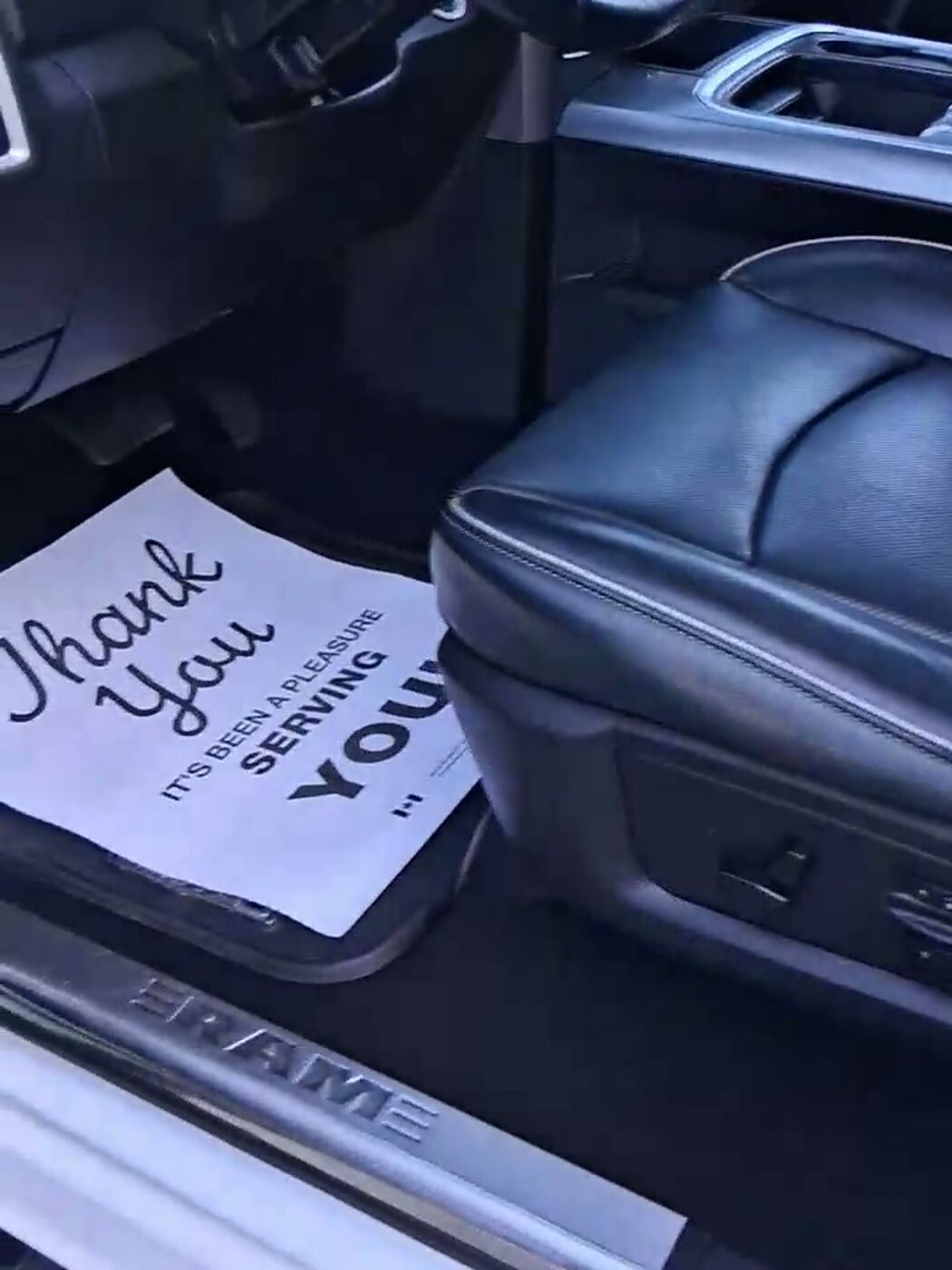
The rain comes back to the valley fast. One week it's dry enough to hose the driveway, the next it hasn't stopped since Tuesday and there's standing water on the shoulder of Yale Road.
Somewhere in there, you put your hand on the passenger carpet and it's wet. Not damp — wet. Squeeze-it-and-it-drips wet.
Almost nobody's door seal is the problem. It's a drain.
Where the Water Actually Gets In
A vehicle is full of channels designed to catch water and dump it on the ground. They work fine until something plugs them, and around here the thing that plugs them is organic: cottonwood fluff in June, maple and alder leaves from September on, fir needles year-round if you park under anything.
The three that cause the most soggy carpets:
- The cowl, that plastic grille at the base of your windshield. It catches every leaf that lands on your glass and funnels the water out through two small drains. Pack those with leaf mulch and the tray fills up, then overflows straight into the cabin air intake or down onto the passenger footwell.
- Sunroof drains. Four tubes, one at each corner, running down inside the pillars. They're the diameter of a drinking straw. A sunroof isn't sealed — it's designed to leak into a tray that drains. Plug the tray and the water comes out of your headliner instead.
- Door drain holes, along the bottom lip of each door. Water is supposed to run down inside the door skin and out the bottom. Blocked, it backs up over the sill and into the carpet.
None of that is a defect. It's maintenance nobody was told about.
The Valley's Real Problem Is What Happens Next
Where we live, a wet carpet doesn't get a chance to dry.
Under the carpet in most vehicles is a layer of jute or foam padding, and it holds water the way a sponge does. Below that is a steel floor pan. Above it, from October through March, is air that sits somewhere near saturated most days, in a vehicle that's closed up 22 hours out of 24.
That's a warm, dark, damp, unventilated space with organic matter in it. Give it a week and you get the smell — that sour, basement-y note that isn't quite mildew and isn't quite wet dog, and that gets noticeably worse the second you turn the heat on.
Once the smell is in the foam, cracking a window doesn't fix it. Neither does anything that sprays. You're covering a source, not removing it. We wrote about that at length in our guide to odour removal, and damp carpet is the version of it we see most between September and February.
Clear These Three Drains Yourself
This part is genuinely a driveway job and we'd rather you just did it.
Pop the hood and look at the cowl tray under the wiper arms. If there's a compost layer in there, scoop it out by hand and flush it with a jug of water — the water should run out under the vehicle within a few seconds. If it pools, the drain is blocked and needs a gentle poke with a length of weed-trimmer line.
Sunroof drains: open the roof, find the small holes in the front corners of the tray, and pour a little water in. It should come out behind the front tires. Weed-trimmer line again if it doesn't, and stay gentle — a wire will punch through the tube and you'll have a leak inside a pillar instead of a blocked one.
Door drains: run a fingernail or a zip tie along the slots on the bottom edge of each door. Ten seconds each.
Do that every fall and most wet-footwell calls never happen. Same category of five-minute habit as the rest of our between-details maintenance list.
When It's a Leak, Not a Spill
Worth being straight about the limit here: we clean vehicles. We don't chase water leaks.
If your carpet is soaked and the drains are clear, something is failing — a windshield urethane seal, a door vapour barrier that's come unglued, a rotted sunroof tray, a taillight gasket letting water into the trunk. That's a body shop or a glass shop's job, and it needs to be fixed before anyone cleans the interior.
We'll happily strip the moisture and the smell out of a vehicle. But if water is still coming in, it'll be back in three weeks and you'll have paid us for nothing. Fix the source first. We'll tell you if that's what we think is going on when we look at it.
What an Interior Reset Deals With
Once the water's stopped, the cleanup is real work. Our Interior Detail is $325 and covers a full vacuum, steam cleaning, shampoo, plastic restoration, windows, door jambs and air vents. On a damp vehicle, the shampoo and extraction stage is the part doing the heavy lifting — pulling moisture and everything growing in it back out of the carpet instead of pushing it deeper.
Two things get quoted on sight rather than flat-rated, because the range is enormous:
- Odour removal, when the smell has set into the foam and padding.
- Seat extraction, when the water got under a seat and the only honest way to reach the carpet is to unbolt it.
We don't put a number on those blind. What drives them up or down is laid out in our quote-only add-ons post, and the rest of our pricing is on the cost page — no phone call required to see it.
Your Next Four Steps
If you found a wet carpet this week, in order:
- Find out whether it's a drain or a leak. Clear the cowl, sunroof and door drains as above. Then park somewhere dry for a few days and check the carpet again with the back of your hand.
- If it's still getting wet, book the repair first. Glass shop, body shop, whoever owns the failed seal. Cleaning before the fix is money on the floor.
- Get the moisture out fast. Every day it sits is a day the smell gets more established. Pull the mats, prop them somewhere with airflow, and don't leave the vehicle closed up in the meantime.
- Then book the reset. Interior at $325, or Complete from $425 if the outside has been living through the same weather — that bundle saves you $150 over booking the two separately.
We're at 44344 B Yale Rd in Chilliwack, appointment-based, and we've been doing this since 2020. Grab a slot at dirtydetails.ca/book, or call (604) 845-4060 and tell us what the footwell feels like.
Interior, exterior or the full inside-and-out Complete Detail — book online in two minutes.